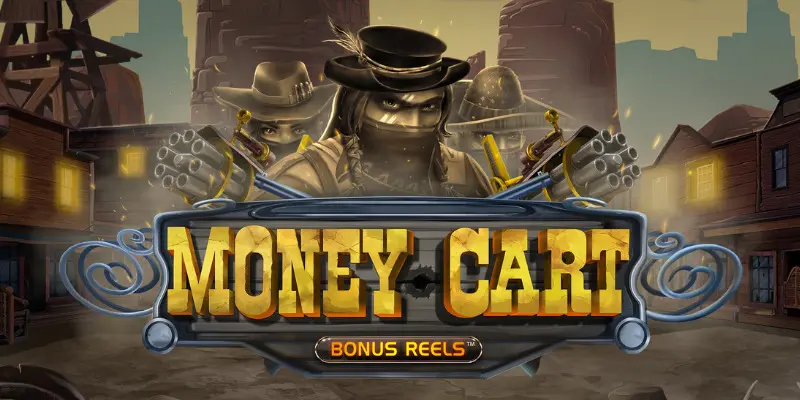
How Seasonal Holidays Influence the Selection of Online Casino Games
The selection of games available at online casinos changes throughout the year, reflecting cultural traditions, national celebrations and international holidays. Christmas, Halloween, Easter, Valentine’s Day and Lunar New Year influence everything from slot machine designs to the presentation of live dealer games. Software developers prepare seasonal releases, while casino operators reorganise their game catalogues to reflect upcoming celebrations. In 2026, this practice continues to influence the gambling industry, with established game franchises receiving festive adaptations alongside entirely new titles. However, seasonal changes primarily concern entertainment, presentation and commercial activity rather than the probability of winning or the fundamental principles of gambling.
How Seasonal Celebrations Shape Online Casino Game Catalogues
Online casino catalogues are rarely static. Alongside regular releases from software developers, operators periodically reorganise their collections according to the time of year. During December, games featuring snowy landscapes, Christmas decorations and festive characters may appear in dedicated categories. In October, horror-themed slots, supernatural characters and mysterious settings become more prominent. These changes do not necessarily mean that hundreds of new games have been released. In many cases, operators assemble existing titles into temporary collections, combining older releases with recently developed games. Consequently, a seasonal category can contain games introduced several years apart but connected by a common visual theme.
The relationship between holidays and casino content is particularly noticeable in the release schedules of software developers. Studios frequently introduce seasonal games several weeks before the associated celebration, allowing casino operators sufficient time to integrate them into their catalogues. A relevant example from 2026 is Big Bass Halloween Splash 1000, released by Pragmatic Play on 12 October. The same developer introduced Big Bass Christmas Blast 1000 on 16 November 2026, demonstrating how an established fishing-themed series can be adapted for two different celebrations within a relatively short period. Both releases maintain recognisable elements of the franchise while introducing distinct seasonal features.
Seasonal organisation also affects how games are displayed. A title that normally appears within a general video slots category might temporarily occupy a position in a Christmas or Halloween collection. Game thumbnails, search filters and dedicated catalogue sections help distinguish relevant content from the wider selection. Importantly, greater visibility does not establish that a particular game is more rewarding or statistically advantageous. Its placement may simply reflect editorial decisions, commercial agreements with software providers or the relevance of its theme. Once a celebration ends, operators may remove the dedicated category without withdrawing the individual games from their catalogues.
Christmas, Halloween and Other Major Seasonal Themes
Christmas represents one of the most recognisable themes in seasonal casino game development. Common visual elements include decorated trees, presents, snow-covered villages, bells and winter clothing. Sweet Bonanza Xmas from Pragmatic Play illustrates how an existing slot can receive a festive interpretation while preserving its recognisable matching-symbol format. Another example is Santa’s Xmas Rush, introduced on 28 November 2024, which combines a Christmas setting with cluster-based gameplay. The continued relevance of older releases demonstrates why December collections often feature several generations of seasonal games rather than exclusively presenting products developed during the current year.
Halloween encourages a different creative approach. Instead of cheerful winter imagery, developers incorporate haunted houses, pumpkins, vampires, witches and supernatural environments. These visual elements can influence the names of game features, background animations and the appearance of familiar symbols. Big Bass Halloween Splash 1000, for example, incorporates pumpkins into its bonus feature, connecting the celebration with the game’s mechanics rather than relying entirely on decorative changes. Horror-themed games may also remain available throughout the year because their settings appeal to audiences beyond Halloween. Their seasonal classification is therefore often a matter of presentation rather than permanent categorisation.
Other celebrations provide developers with different sources of inspiration. Easter lends itself to spring landscapes, decorated eggs and seasonal colour schemes, while Valentine’s Day is associated with hearts, roses and romantic imagery. Lunar New Year themes may incorporate traditional lanterns, zodiac animals and culturally significant colours. The prominence of these celebrations varies considerably between countries. An international casino may organise several regional collections, whereas a locally focused operator might concentrate on holidays that are particularly relevant to its audience. Not every cultural celebration produces a substantial number of new releases, and the availability of themed games depends on individual providers and regional gambling regulations.
Seasonal Game Development and Changes to Familiar Casino Games
Software developers generally approach seasonal content in two ways: by creating an original game around a specific celebration or by adapting an established title. Developing an entirely new game allows a studio to introduce characters, settings and features designed specifically for a particular holiday. An adaptation, by contrast, retains elements of an existing product while changing its appearance or selected aspects of gameplay. The second approach is particularly visible in long-running slot franchises, where familiar characters can be placed in winter landscapes, haunted environments or other festive settings without losing their original identity.
The distinction between a visual adaptation and a separate game is important. Two slots may share a similar name, recognisable characters and a comparable layout while operating under different rules. A seasonal edition might introduce additional symbols, change the way bonus rounds begin or modify existing features. Equally, a developer may retain most of the original mechanics and concentrate on visual presentation. The name of a game alone is therefore insufficient to establish whether its rules, volatility or theoretical return are identical to those of an earlier release. Each edition must be assessed using its own published game information.
From a commercial perspective, seasonal adaptations give developers another way to extend the lifespan of established intellectual property. Creating a completely unrelated game for every celebration would require a continuous supply of new concepts, whereas a recognisable franchise provides an existing creative foundation. Casino operators also benefit from having additional content that can be categorised without fundamentally reorganising their entire catalogue. Nevertheless, seasonal production does not replace ordinary game development. Traditional fruit machines, adventure slots, jackpot games and standard table games continue to form part of casino collections throughout the year, providing continuity between seasonal updates.
Festive Slots, Live Dealer Games and Special Game Editions
Video slots are particularly suitable for seasonal adaptations because their presentation can accommodate a wide variety of characters, backgrounds and animations. Developers can replace conventional symbols with holiday-related objects or redesign bonus rounds around a particular celebration. The 2026 Halloween and Christmas editions of the Big Bass series provide a useful comparison. The Halloween release incorporates pumpkin-related modifiers, whereas the Christmas edition presents its fishing environment in a winter setting and includes gift-themed elements. Although both games belong to the same franchise, their differences extend beyond the illustrations used on their respective catalogue thumbnails.
Live dealer games have more limited opportunities for seasonal redesign because roulette, blackjack and baccarat are based on established rules and recognisable table arrangements. Seasonal changes in this category may involve decorated studios, altered background lighting, themed presenter clothing or special visual overlays. Live game shows offer greater flexibility because their presentation already incorporates entertainment elements beyond conventional casino tables. However, a decorated roulette studio does not create a different probability of the ball landing on a particular number. Changes to the physical setting must be distinguished from changes to the rules or payout structure of the game itself.
Seasonal content may also extend to bingo, instant-win games, virtual scratchcards and other forms of online gambling. These categories can incorporate festive illustrations without necessarily changing how results are determined. A Christmas scratchcard might use wrapped presents instead of conventional prize symbols, while a themed bingo event may feature seasonal graphics. Such adaptations demonstrate that holiday-related content is not restricted to video slots. Nevertheless, the extent of these changes depends on the operator’s product range, agreements with suppliers and the types of gambling permitted within the relevant jurisdiction.
Why Seasonal Casino Collections Differ Between Countries
The international nature of online gambling means that there is no single holiday calendar applicable to every casino. Christmas and New Year are widely recognised, but their cultural significance and associated traditions differ between regions. In Ireland, St Patrick’s Day provides a recognisable theme associated with shamrocks, folklore and traditional green imagery. Lunar New Year has particular cultural importance across several East and Southeast Asian communities. Regional celebrations can influence the visual identity of casino games even when those products are distributed internationally. However, cultural relevance alone does not establish that online gambling is legally available in the countries associated with a particular celebration.
Regional licensing requirements also influence which seasonal titles can appear in individual casino catalogues. A game released internationally by a software developer is not automatically available in every regulated gambling market. Local technical requirements, product restrictions and licensing arrangements can affect its distribution. Operators may offer different versions of the same game or exclude certain features where local regulations require it. Consequently, two casinos supplied by the same developer may have noticeably different Christmas or Halloween collections. An official release announcement confirms the existence of a game but does not guarantee its availability to every customer.
The duration of seasonal collections varies as well. Some operators maintain dedicated categories for several weeks, while others retain themed games within their ordinary catalogues throughout the year. Removing a Christmas category in January does not necessarily indicate that its games have been discontinued. Conversely, a seasonal title may become unavailable for reasons unrelated to the celebration, including changes to supplier agreements or regional distribution rights. Without published operator data, it is difficult to determine precisely how much seasonal holidays increase demand for particular games. Catalogue visibility should not be confused with independently verified popularity or gambling activity.
Seasonal Promotions, Game Fairness and Responsible Gambling
Holiday-related casino collections frequently appear alongside temporary promotional campaigns. These may involve restricted game selections, promotional rewards or themed competitions, depending on the operator and applicable regulations. It is important to distinguish promotional free spins from free spins awarded as part of a slot’s internal bonus round. The former are governed by the conditions of an external offer, while the latter form part of the game’s published rules. Seasonal promotional language can make these concepts appear similar, even though they operate differently. Participation conditions, expiry dates and withdrawal restrictions should therefore be considered separately from the characteristics of the associated games.
A festive theme does not automatically improve a game’s theoretical return to player, commonly known as RTP. This percentage represents a statistical expectation over a substantial number of wagers rather than an amount guaranteed to an individual during a gambling session. Similarly, seasonal graphics do not determine whether a slot will produce more frequent winning combinations. In Great Britain, the Gambling Commission’s remote gambling technical standards require accessible information concerning game rules and the likelihood of winning. Its testing requirements also address the fairness of gambling software. A seasonal edition with modified mechanics must therefore be understood as a distinct product when its published rules differ from the original game.
Seasonal gambling campaigns also deserve particular attention because holidays are often associated with additional household expenses, changes in daily routines and emotionally significant events. Temporary collections and promotional deadlines should not create pressure to gamble or spend more than originally intended. Gambling expenditure should remain separate from money needed for gifts, travel, bills and other essential commitments. Setting spending limits, taking breaks and recognising that gambling losses cannot reliably be recovered through further play remain relevant throughout the year. As the 2026 release calendar demonstrates, seasonal celebrations continue to influence casino game design and catalogue organisation, but they do not remove the financial risks associated with gambling or make outcomes more predictable.